

How to Remove a Tick Safely (Step-by-Step Guide)
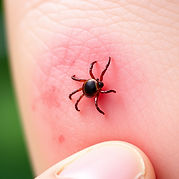
Ticks are small parasites that attach to the skin and feed on blood. While many tick bites are harmless, some ticks can transmit diseases such as Lyme disease, Alpha-gal syndrome, and other tick-borne illnesses.
Removing a tick quickly and correctly is the best way to reduce the risk of infection.
This guide explains the safest way to remove a tick and what to do afterward.
Step 1: Use Fine-Tipped Tweezers
The safest tool for removing a tick is a pair of fine-tipped tweezers.
Avoid using:
your fingers
nail clippers
burning the tick
petroleum jelly
essential oils
These methods can cause the tick to release more saliva into the bite, increasing the risk of disease transmission.
Step 2: Grab the Tick Close to the Skin
Using the tweezers:
grasp the tick as close to the skin as possible
hold the tick by its head or mouthparts
Avoid squeezing the tick’s body, which may push infectious material into the skin.
Step 3: Pull Upward Slowly and Steadily
Pull the tick straight upward with steady pressure.
Do not:
twist the tick
jerk the tweezers
crush the tick
Removing the tick slowly helps prevent the mouthparts from breaking off in the skin.
Step 4: Clean the Bite Area
Once the tick is removed, clean the area using:
soap and water
rubbing alcohol
iodine solution
Wash your hands thoroughly as well.
Step 5: Dispose of the Tick
You can dispose of the tick by:
placing it in alcohol
sealing it in tape
flushing it down the toilet
Some people choose to save the tick in a sealed container in case testing is needed later.
Step 6: Monitor for Symptoms
After a tick bite, monitor your health over the next days and weeks.
Possible symptoms to watch for include:
rash around the bite
fever
fatigue
muscle aches
hives or allergic reactions
delayed reactions after eating meat
If unusual symptoms appear, contact a healthcare professional.
Special Note About Alpha-Gal Syndrome
Some tick bites can trigger Alpha-gal syndrome, an allergy to mammalian meat. Unlike most food allergies, reactions may occur 3–8 hours after eating meat or dairy products.
Symptoms can include:
hives
stomach pain
nausea
swelling
difficulty breathing
Because symptoms may appear hours later, Alpha-gal is often misdiagnosed or overlooked.
Should You See a Doctor After a Tick Bite?
You should seek medical advice if:
the tick was attached for more than 24 hours
a rash develops
you develop flu-like symptoms
you experience allergic reactions after eating meat
Early medical evaluation can help identify tick-borne illnesses before complications develop.
Help Improve Tick Bite Research
TickBiteData.com is collecting anonymous reports from people who have experienced tick bites or Alpha-gal symptoms. By sharing your experience, you help researchers better understand the patterns and long-term effects of tick-borne illnesses.